
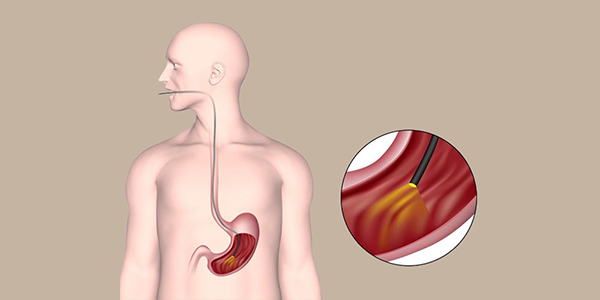
Upper GI Endoscopy (Gastroscopy)
Upper GI Endoscopy, also known as Gastroscopy, is a minimally invasive diagnostic procedure used to examine the upper part of the digestive system, including the esophagus, stomach, and the first section of the small intestine (duodenum). During the procedure, a thin, flexible tube equipped with a light and camera, called an endoscope, is gently passed through the mouth to provide clear and detailed images of the digestive tract.
This procedure is commonly recommended to investigate symptoms such as persistent abdominal pain, acid reflux, difficulty swallowing, nausea, vomiting, unexplained weight loss, or gastrointestinal bleeding. It helps doctors accurately diagnose conditions such as gastritis, stomach ulcers, esophageal disorders, infections, polyps, and certain types of cancers at an early stage.
Upper GI Endoscopy is generally safe, quick, and performed under mild sedation to ensure patient comfort. In addition to diagnosis, it can also be used for therapeutic purposes, including tissue biopsy collection, removal of small growths, and treatment of certain bleeding conditions. The procedure provides valuable information that assists healthcare professionals in developing effective treatment plans, ensuring timely intervention and improved digestive health outcomes for patients.